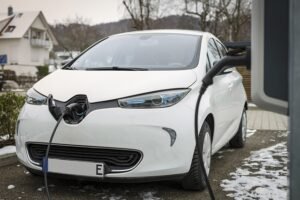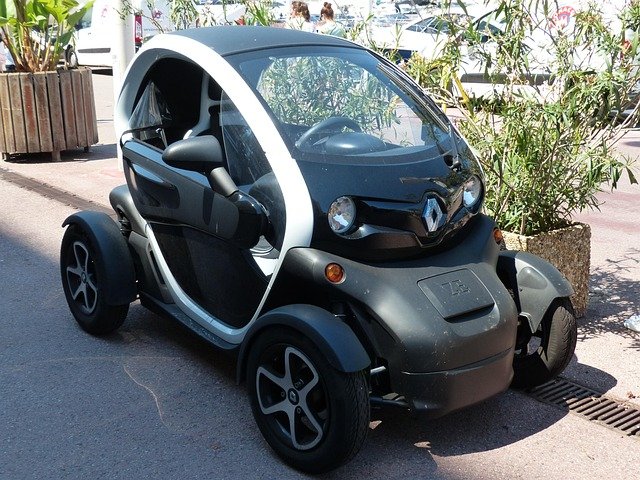
The automotive industry is undergoing a major transformation, driven by two revolutionary trends: electric powertrains and autonomous driving technology. Autonomous electric vehicles (AEVs) combine the environmental benefits of electric cars with the safety, convenience, and efficiency of self-driving technology. As these vehicles advance, they are reshaping how we think about mobility, urban planning, and personal transportation.
What Are Autonomous Electric Vehicles?
Autonomous electric vehicles are cars that can operate with minimal or no human intervention while running on an electric powertrain. They rely on a combination of sensors, cameras, radar, lidar, and artificial intelligence to navigate roads safely. Unlike conventional vehicles, AEVs eliminate tailpipe emissions while also offering the potential for reduced traffic accidents, optimized routes, and new mobility solutions like robotaxis and autonomous delivery services.
The Technological Foundation
The rise of AEVs is powered by advancements in both battery technology and autonomous driving systems. High-capacity batteries enable longer range, while fast-charging infrastructure ensures vehicles remain practical for everyday use. Meanwhile, AI algorithms, machine learning, and sophisticated mapping systems allow AEVs to understand their surroundings, recognize hazards, and make real-time decisions. Together, these technologies are making fully autonomous, electric transportation increasingly feasible.
Benefits of Autonomous Electric Vehicles
1. Environmental Impact
AEVs inherit the zero-emission benefits of electric vehicles, helping reduce greenhouse gas emissions and improve urban air quality. When integrated with renewable energy sources, they become even more sustainable, offering a cleaner alternative to gasoline and diesel vehicles.
2. Safety Enhancements
Autonomous driving systems can significantly reduce human error, which accounts for the majority of traffic accidents. Features like automatic emergency braking, lane-keeping assist, and adaptive cruise control work in tandem with AI to prevent collisions and improve road safety.
3. Traffic Efficiency
AEVs can communicate with each other and with traffic infrastructure to optimize traffic flow. This reduces congestion, shortens travel times, and improves fuel and energy efficiency. By reducing stop-and-go traffic, these vehicles also extend battery life and minimize energy waste.
4. Accessibility and Convenience
Self-driving electric cars can provide mobility solutions for individuals who cannot drive, including the elderly and people with disabilities. Autonomous taxi services or shared AEV fleets can offer convenient, door-to-door transportation without the need for personal vehicle ownership.
Challenges and Considerations
Despite the promise of AEVs, several challenges remain. Regulatory frameworks are still evolving, and safety standards must be rigorously tested. High initial costs, cybersecurity concerns, and public trust in autonomous systems also influence adoption. Furthermore, integrating AEVs into existing city infrastructure requires careful planning, particularly regarding charging stations and traffic management.
Leading Players in the Market
Several companies are at the forefront of the autonomous electric vehicle revolution:
- Tesla – Known for its Autopilot and Full Self-Driving software, Tesla combines electric powertrains with advanced AI driving assistance.
- Waymo – A pioneer in autonomous ride-hailing, focusing on fully driverless electric fleets.
- Rivian and GM Cruise – Developing electric SUVs and delivery vehicles equipped with autonomous technology for both consumer and commercial applications.
The Future of AEVs
The rise of autonomous electric vehicles promises to transform mobility in the coming decades. Cities may see fewer privately owned cars, more shared autonomous fleets, and improved traffic efficiency. Environmental benefits will grow as battery and charging technologies improve, and transportation becomes cleaner and safer. While full adoption may take time, AEVs represent the future of transportation: sustainable, intelligent, and autonomous.
Conclusion
Autonomous electric vehicles are at the intersection of two revolutionary technologies: electrification and self-driving. They offer environmental sustainability, enhanced safety, and unprecedented convenience, while reshaping urban mobility and personal transportation. As battery systems, AI algorithms, and charging networks advance, AEVs are set to play a central role in the future of driving, redefining what it means to travel safely, efficiently, and responsibly.