The global shift toward electric vehicles (EVs) is accelerating, and governments around the world are playing a key role in supporting this transition. From financial incentives to infrastructure development, public policy is helping make EVs more accessible, affordable, and practical for everyday drivers. Here’s a look at how governments are fostering the adoption of electric cars.
1. Financial Incentives and Tax Credits
One of the most effective ways governments encourage EV adoption is through financial incentives. Many countries and states offer:
- Tax credits and rebates: Reducing the purchase price of electric vehicles, sometimes by thousands of dollars.
- Registration fee reductions or exemptions: Lowering the cost of vehicle registration for EV owners.
- Income-based incentives: Additional support for low- and middle-income buyers to make EVs more affordable.
For example, in the United States, federal tax credits of up to $7,500 are available for eligible electric vehicles, while some states like California provide extra rebates. These incentives make EVs more financially attractive, helping offset the higher upfront cost compared to gasoline cars.
2. Expanding Charging Infrastructure
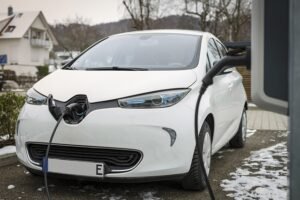
Governments are investing heavily in charging networks to ensure EV drivers have convenient access to power. Public charging stations, including fast chargers along highways and in city centers, reduce range anxiety and make long-distance travel practical. Some governments also provide grants or subsidies to businesses and property owners to install charging points, further expanding the infrastructure.
3. Promoting Research and Innovation
To support the EV industry, governments fund research and development of new battery technologies, charging solutions, and electric vehicle designs. Grants, partnerships with universities, and investments in clean energy innovation help reduce costs, improve battery efficiency, and accelerate the rollout of next-generation EVs.
4. Supporting Commercial and Fleet Electrification
Public policy also targets commercial fleets. Incentives for companies to replace gasoline trucks and delivery vans with electric models reduce emissions in urban areas and stimulate market demand. Many cities now mandate zero-emission fleets for public transportation, municipal vehicles, and ride-hailing services, which encourages broader adoption.
5. Regulatory Measures and Emission Standards
Governments are using regulations and emission standards to accelerate the transition to electric vehicles. Policies include:
- Zero-emission vehicle mandates: Requiring automakers to sell a certain percentage of electric or zero-emission vehicles.
- Fuel efficiency and emissions standards: Making traditional gasoline and diesel vehicles less competitive over time.
- Urban low-emission zones: Restricting or charging higher fees for gasoline and diesel vehicles in city centers.
These policies create a market environment where electric cars are not only desirable but often necessary for compliance and cost savings.
6. Public Awareness and Education Campaigns
Government programs also focus on raising public awareness about the benefits of EVs. Campaigns highlight lower running costs, environmental advantages, and improved technology to help consumers make informed choices. Educational initiatives reduce misconceptions and encourage more people to consider electric vehicles as practical daily drivers.
7. Global Examples
- Norway: Offers generous tax exemptions and free tolls for EVs, resulting in EVs making up more than 80% of new car sales.
- China: Provides subsidies, preferential license plates, and extensive charging networks to become the world’s largest EV market.
- European Union: Implements strict emission targets, combined with incentives, to accelerate EV adoption.
Conclusion
Governments worldwide are playing a crucial role in the adoption of electric vehicles. Through financial incentives, infrastructure investments, research support, regulations, and public awareness campaigns, they are creating a market environment that encourages both consumers and businesses to switch to cleaner, sustainable transportation. As policies evolve and more initiatives are introduced, electric vehicles are becoming more practical, affordable, and mainstream, helping accelerate the global transition to greener mobility.