Electric cars (EVs) have become increasingly popular in recent years, and 2026 is no exception. With more brands producing advanced models, EVs are no longer just futuristic concepts — they are practical options for daily driving. However, like any technology, owning an electric car comes with both advantages and drawbacks. Understanding these pros and cons can help you make an informed decision before making the switch to electric.
Pros of Owning an Electric Car
1. Eco-Friendly and Reduced Emissions
One of the biggest advantages of electric cars is their environmental impact. EVs produce zero tailpipe emissions, meaning they do not release harmful gases like carbon dioxide or nitrogen oxides. By switching to an electric car, you contribute to reducing air pollution and combating climate change.
2. Lower Running Costs
Electric cars are generally cheaper to run compared to traditional gasoline vehicles. Electricity costs less than fuel in most regions, and EVs require fewer mechanical parts, which reduces maintenance costs. There’s no need for oil changes, spark plugs, or exhaust system repairs, which can save owners significant money over time.
3. Silent and Smooth Driving
EVs offer a quiet and smooth driving experience. The absence of a combustion engine eliminates engine noise, vibrations, and harsh gear shifts. This makes city driving and long trips more comfortable and relaxing.
4. Incentives and Tax Benefits
Many governments offer financial incentives to encourage electric car adoption. These can include tax rebates, subsidies, reduced registration fees, and free or discounted parking. Taking advantage of these benefits can make owning an EV more affordable.
5. Access to Advanced Technology
Electric cars often come with cutting-edge features. From regenerative braking and autopilot systems to advanced infotainment and connected apps, EVs are typically tech-forward vehicles. Many EVs also have smartphone integration for monitoring battery levels and scheduling charging sessions.
6. Instant Torque and Acceleration
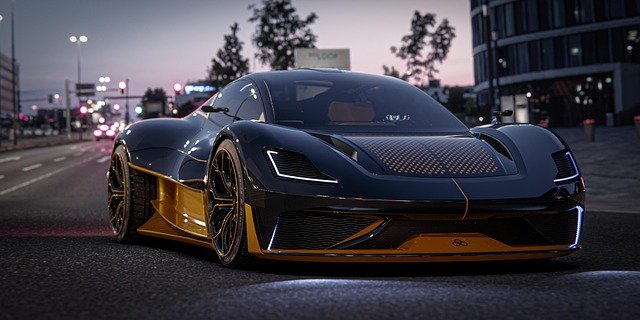
EVs deliver instant torque, which allows for quick acceleration from a standstill. This makes city driving, overtaking, and merging onto highways smoother and more responsive. Performance-oriented EVs can even rival sports cars in acceleration.
Cons of Owning an Electric Car
1. Higher Initial Cost
Electric cars tend to have a higher upfront price compared to equivalent gasoline vehicles. While running costs are lower, the initial investment can be significant, especially for premium EVs. This can be a barrier for many buyers.
2. Limited Charging Infrastructure
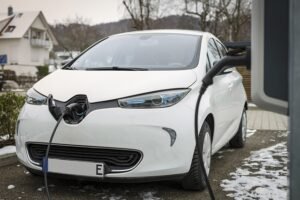
Although charging networks are expanding rapidly, access to charging stations can still be limited in certain areas. Finding a reliable charger during long trips may require careful planning. Home charging solves this for some, but not all drivers have the convenience of private garages.
3. Longer “Refueling” Time
Unlike filling a gas tank in a few minutes, charging an electric car takes longer. Even with fast chargers, EVs may need 20–60 minutes to gain a significant charge, whereas standard chargers at home can take several hours. This requires planning for longer journeys.
4. Battery Degradation
Over time, EV batteries can degrade, reducing their overall range. Although modern batteries are designed to last many years, replacement costs can be high if degradation occurs. Proper maintenance and charging habits can minimize this issue.
5. Limited Range Compared to Gas Cars
While many 2026 EVs offer 300–400 miles of range, they may still fall short for long-distance trips compared to gas-powered vehicles. Drivers need to consider range limitations, especially in areas with fewer charging stations.
6. Resale Value Concerns
Electric cars are relatively new to the mass market, so resale values can vary. Rapid advancements in technology may make older EVs less desirable over time, although popular models like Tesla or Hyundai EVs tend to retain value better.
Conclusion
Owning an electric car in 2026 comes with a mix of advantages and challenges. EVs are environmentally friendly, cheaper to run, smooth to drive, and packed with advanced technology. On the other hand, they can be expensive upfront, require charging infrastructure, and may have range limitations. For drivers who value sustainability, tech, and lower long-term costs, EVs are a smart choice. However, careful planning and understanding of the limitations are crucial to make the most of electric mobility. ⚡🚗