The rise of electric cars (EVs) is one of the most transformative trends in the automotive industry. Over the past decade, EV technology has evolved from a niche segment into a mainstream alternative to traditional gasoline vehicles. In 2026, the impact of electric cars on the industry is clearer than ever, affecting manufacturing, design, technology, consumer behavior, and even global environmental policies. Here’s how electric cars are reshaping the automotive world.
1. Driving Innovation in Vehicle Technology
Electric cars have accelerated innovation in several areas. Battery technology, for example, has seen remarkable advancements, resulting in longer ranges, faster charging, and improved efficiency. Manufacturers are also integrating smart systems, such as autonomous driving, regenerative braking, and connected infotainment platforms. These innovations are raising the bar for the entire automotive industry, encouraging traditional manufacturers to invest heavily in research and development.
2. Shifting Focus to Sustainability
The automotive industry is now prioritizing sustainability, largely because of the rise of EVs. Electric vehicles produce zero tailpipe emissions, helping reduce air pollution and greenhouse gas emissions. As governments around the world implement stricter environmental regulations, carmakers are increasingly focusing on sustainable manufacturing practices, recyclable materials, and eco-friendly supply chains. This shift is redefining how cars are designed, built, and marketed.
3. Disruption of Traditional Engine Manufacturing
Electric cars do not require internal combustion engines, transmissions, or complex exhaust systems. This has disrupted the traditional supply chain and manufacturing processes. Companies that specialized in engines and fuel systems must now adapt to electric drivetrains or face obsolescence. As a result, the industry is seeing new collaborations between automakers and battery producers, and traditional suppliers are pivoting toward EV components.
4. New Players Entering the Market
The EV revolution has lowered barriers to entry for new companies. Brands like Rivian, Lucid, and NIO have emerged alongside established giants such as Tesla, Hyundai, and Volkswagen. These newcomers are often more agile, focusing on tech-centric designs, innovative battery solutions, and unique user experiences, forcing traditional automakers to innovate faster. This competition benefits consumers with more options and improved technology.
5. Redefining Vehicle Design
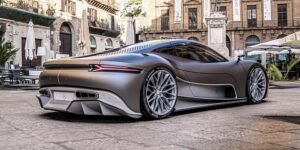
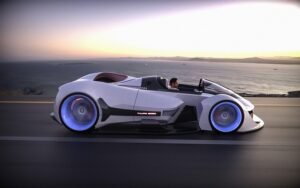
Electric cars allow designers to rethink traditional car structures. Without large engines and exhaust systems, EVs can have spacious interiors, sleek aerodynamic shapes, and flexible layouts. Concepts like frunk storage (front trunk), flat battery floors, and minimalist interiors are now standard features, inspiring a new era of vehicle design that emphasizes comfort, usability, and style.
6. Changing Consumer Behavior
The rise of EVs is influencing how consumers think about mobility. Many buyers now consider range, charging infrastructure, battery longevity, and environmental impact as key factors in their purchase decisions. Subscription services, battery leasing, and home charging solutions are also becoming popular, changing how people interact with vehicles and think about ownership.
7. Impact on Energy and Infrastructure
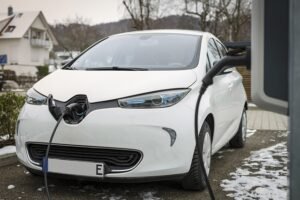
The growth of electric cars is driving major investments in charging infrastructure and renewable energy. Governments and private companies are expanding fast-charging networks, solar-powered stations, and smart-grid solutions to meet growing EV demand. This infrastructure development is transforming not only the automotive industry but also energy and urban planning sectors.
8. Accelerating Global Industry Transformation
The automotive industry is no longer just about cars; it’s about technology, energy, and sustainability. Electric cars are pushing manufacturers toward integrated ecosystems that combine vehicles, charging, software, and renewable energy solutions. This transformation is creating new business models, redefining competition, and shaping the future of mobility worldwide.
Conclusion
Electric cars are more than just a trend—they are a driving force reshaping the entire automotive industry. From technological innovation and sustainable manufacturing to new competitors and consumer behavior, EVs are changing how cars are built, marketed, and used. In 2026, the automotive landscape is more dynamic than ever, and electric vehicles are leading the charge toward a cleaner, smarter, and more efficient future. ⚡🚗