Electric cars are no longer just a futuristic idea — they’re reshaping the automotive world in real time. As we move through 2026 and beyond, the technology and trends influencing electric vehicles (EVs) are pushing the industry toward smarter, cleaner, and more efficient mobility. From batteries and charging systems to autonomous driving and energy networks, the future of electric cars looks exciting and transformative.
1. Breakthroughs in Battery Technology
Battery technology is the heart of the EV revolution, and the coming years are expected to bring major improvements. While lithium‑ion batteries are still widely used today, new innovations like solid‑state batteries are on the horizon. These promise higher energy density, faster charging times, and greater safety compared to traditional batteries — meaning longer drives on a single charge and reduced risk of overheating.
Other advancements include lithium iron phosphate (LFP) and emerging chemistries that aim to reduce cost and reliance on rare materials, helping make EVs even more affordable for everyday drivers.
2. Faster, Smarter Charging Infrastructure
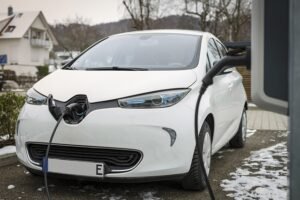
Charging infrastructure is rapidly evolving to support widespread EV adoption. Public and private networks are expanding in cities and along highways, making it easier to recharge on the go. Advances such as ultra‑fast chargers — which significantly reduce the time needed to recharge — are becoming more common.
Innovations like wireless charging and smart charging technologies that coordinate with power grids are also on the horizon, promising even greater convenience in the future.
3. Vehicle‑to‑Grid (V2G) and Energy Integration
Electric cars are becoming part of a larger energy ecosystem. V2G technology allows EVs to send stored electricity back to the grid or power homes during peak demand. In some cases, EV owners may even reduce or eliminate their electricity bills by charging when energy is cheap and selling power back when prices rise.
This bidirectional flow of energy not only makes EVs more useful but also supports renewable energy adoption and grid stability, positioning electric cars as valuable components in future smart cities.
4. Autonomous and AI‑Powered Driving
Electric cars are blending with autonomous driving technologies and artificial intelligence (AI). Advanced driver assistance systems (ADAS) are already common, offering features like automatic emergency braking, adaptive cruise control, and lane assistance. In the future, higher levels of autonomy — where cars can drive themselves under certain conditions — are expected to emerge.
Companies are investing heavily in AI‑enabled systems that improve safety and efficiency and could eventually lead to fully autonomous vehicles, transforming how people travel and potentially reducing accidents caused by human error.
5. Software‑Defined Vehicles and Connectivity
Modern EVs are increasingly defined by their software capabilities. Connected systems allow cars to receive over‑the‑air updates, improve performance, and communicate with infrastructure like traffic signals and charging stations. This trend turns electric cars into smart devices on wheels, blending mobility with digital innovation.
6. Diverse EV Models for Different Needs
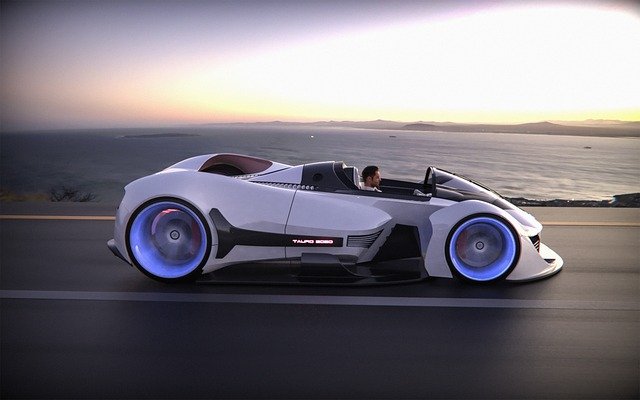
The range of electric cars is expanding rapidly. From compact city cars and affordable daily drivers to luxury EVs and rugged off‑road models, electric vehicles are now available for almost every lifestyle and budget. This diversity helps accelerate adoption as consumers have more choice than ever before.
7. Sustainability and Circular Economies
Electric vehicles aren’t just about zero tailpipe emissions; they’re tied to broader sustainability goals. Manufacturers are focusing on recyclable materials, eco‑friendly production, and battery recycling to reduce the environmental impact of EVs over their entire lifespan. This shift supports global efforts to reduce carbon emissions and transition to cleaner transportation.
8. Global Market Growth and Policy Influence
Policymakers around the world are encouraging EV adoption through incentives, emissions regulations, and investments in infrastructure. Record electric vehicle sales — like India’s significant increase in EV adoption — show that demand is growing across regions, indicating that electric cars are solidifying their place in the global automotive market.
Conclusion
The future of electric cars is bright and dynamic. Advancements in battery technology, charging infrastructure, autonomous systems, AI connectivity, and energy integration are transforming how we drive and use vehicles. These trends are not only reshaping the automotive industry but also influencing energy systems, urban planning, and environmental sustainability. As technology continues to improve and adoption grows, electric cars will play an even bigger role in the global shift toward cleaner, smarter, and more efficient transportation. ⚡🚗