Switching to an electric car (EV) is not just an environmentally friendly choice—it can also be a smart financial decision. While many people assume that electric vehicles are expensive, the long-term savings can outweigh the initial cost, making EVs an attractive option for cost-conscious drivers. Here’s how switching to an electric car can save you money.
1. Lower Fuel Costs
One of the most significant ways EVs save money is through reduced fuel expenses. Electricity is generally much cheaper than gasoline or diesel, meaning charging your car costs far less than filling up a tank. For example, the cost of driving 100 miles in a typical EV can be less than half the cost of a similar gasoline vehicle. Over time, these savings add up, especially for daily commuters or frequent drivers.
2. Reduced Maintenance Expenses
Electric cars have fewer moving parts compared to traditional internal combustion engine vehicles. There’s no need for oil changes, spark plugs, fuel filters, or exhaust system repairs. The braking system also lasts longer due to regenerative braking, which reduces wear and tear. Lower maintenance needs mean fewer trips to the mechanic and less money spent on repairs over the car’s lifetime.
3. Government Incentives and Tax Benefits
Many countries offer financial incentives to encourage EV adoption. These can include tax credits, rebates, or reduced registration fees, which help offset the upfront cost of buying an electric car. Some regions also provide incentives for installing home charging stations, further reducing long-term expenses. By taking advantage of these programs, you can significantly lower the overall cost of switching to an EV.
4. Fewer Costs from Emissions and Environmental Fees
In some cities, gasoline cars are subject to congestion charges, carbon taxes, or low-emission zone fees. Electric cars are often exempt from these charges, helping owners save money while reducing their environmental footprint. Over time, avoiding these additional fees can make a noticeable difference in your annual expenses.
5. Home Charging vs. Gas Stations
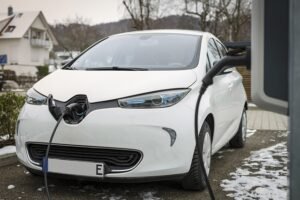
Charging at home can be far cheaper than visiting a gas station, especially if you charge overnight using lower electricity rates. Some EV owners also install solar panels, allowing them to power their vehicles with renewable energy at minimal cost. The convenience of home charging also saves time and money spent traveling to gas stations, making EVs not only cheaper but more convenient.
6. Long-Term Resale Value
While EVs may have a higher initial purchase price, many models retain their value well due to growing demand and longer battery life. Modern EV batteries are designed to last 10–15 years or more, and warranty programs provide extra protection. When it comes time to sell or trade in your EV, you may recover a good portion of your investment.
7. Insurance and Fleet Benefits
Insurance costs for EVs are becoming more competitive as they gain popularity. Some insurers offer discounts for electric vehicles due to their lower environmental risk profile. Additionally, companies with EV fleets can reduce overall operating costs, including fuel and maintenance, making EV adoption financially attractive for businesses as well.
Conclusion
Switching to an electric car can save you money in multiple ways, from lower fuel and maintenance costs to government incentives and long-term value retention. While the upfront price may seem higher, the combination of reduced operating expenses, financial benefits, and environmental savings makes EVs a smart investment for both individuals and businesses. By considering the full financial picture, switching to an electric car is not just good for the planet—it’s also good for your wallet.