Electric vehicles (EVs) are no longer just a niche market—they are increasingly becoming a mainstream choice for drivers worldwide. As more people consider switching to electric cars, misinformation and myths about EVs can create confusion and hesitation. Separating fact from fiction is crucial for understanding the true benefits of electric vehicles. Here are some common electric car myths you should stop believing.
Myth 1: EVs Have a Very Short Range
One of the most persistent myths is that electric cars can’t travel far on a single charge. Early EV models did have limited range, but today’s vehicles are much more capable. Many modern electric cars, such as the Tesla Model 3 and Hyundai Ioniq 5, can easily travel 250–350 miles on a single charge. With fast-charging technology and expanding charging networks, range anxiety is becoming less of a concern for drivers.
Myth 2: Charging an EV Takes Forever
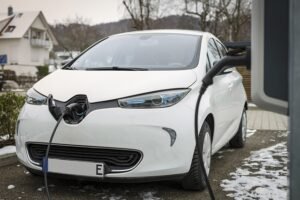
Another common misconception is that charging an electric car takes hours and is impractical. While slow charging at home can take several hours, fast chargers drastically reduce this time. High-power chargers can bring a battery up to 80% in as little as 15–30 minutes, making long trips and daily use much more convenient. Charging infrastructure is growing rapidly, with stations along highways and in urban centers, ensuring that recharging is easier than ever.
Myth 3: Electric Cars Are Too Expensive
Many people believe that EVs are prohibitively expensive. While some models have a higher upfront cost, they often save money in the long run. Electric cars have lower running costs because electricity is cheaper than gasoline, and maintenance is generally less expensive since EVs have fewer moving parts. Government incentives, tax credits, and rebates also make EVs more affordable in many countries.
Myth 4: EV Batteries Don’t Last
Some think that electric car batteries degrade quickly and need frequent replacement. In reality, modern EV batteries are designed to last 10–15 years or more with proper care. Most manufacturers offer warranties covering battery life for 8–10 years or around 100,000 miles. Battery technology continues to improve, reducing degradation and increasing longevity.
Myth 5: EVs Aren’t Environmentally Friendly
A common myth is that electric cars aren’t truly green because electricity comes from fossil fuels. While electricity generation does vary by region, studies consistently show that EVs produce lower lifetime carbon emissions than gasoline vehicles, even in areas with coal-heavy grids. Additionally, EVs can be charged using renewable energy sources, further reducing their environmental impact.
Myth 6: Electric Cars Aren’t Powerful or Fun to Drive
Some people believe EVs are slow or lack performance. In reality, electric motors provide instant torque, making EVs quick off the line. Vehicles like the Tesla Model S Plaid and Ford Mustang Mach-E deliver impressive acceleration and smooth handling, proving that electric cars can be both fun and efficient.
Conclusion
Electric cars are no longer futuristic novelties—they are practical, efficient, and increasingly popular vehicles for everyday driving. By debunking these common myths, it’s clear that EVs offer long range, fast charging, affordable maintenance, longevity, environmental benefits, and exciting performance. As technology improves and infrastructure expands, the case for switching to an electric vehicle becomes stronger every day. Stop believing the myths and start exploring the real advantages of going electric.