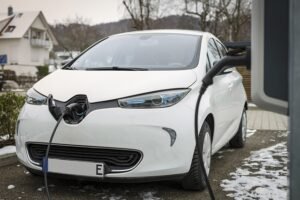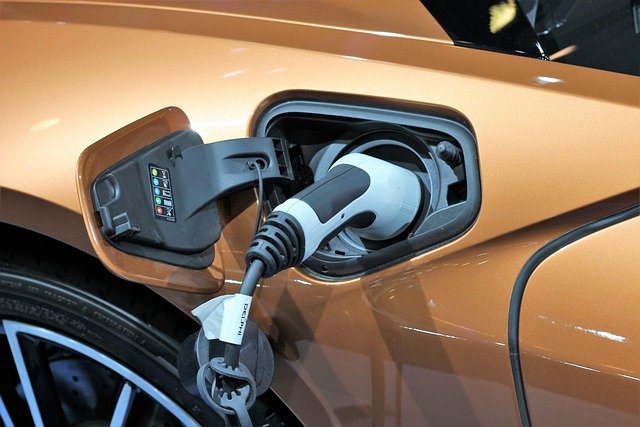
Electric vehicles (EVs) are no longer just a futuristic idea—they are becoming a practical choice for everyday transportation. With growing environmental awareness, rising fuel prices, and government incentives for green energy, more people are considering EVs as a viable option. However, one major obstacle has slowed widespread adoption: charging time. Unlike refueling a gasoline car in minutes, charging an EV traditionally takes hours. Fast-charging technology is now transforming this reality, making EVs faster, more convenient, and more appealing than ever.
What Is Fast Charging?
Fast charging is a high-power charging method that allows EV batteries to recharge much quicker than standard chargers. Home and workplace Level 2 chargers typically provide 6 to 22 kilowatts (kW) of power, which can take several hours to fully charge a vehicle. Fast chargers, in comparison, can deliver between 50 kW and over 350 kW, allowing an 80% charge in as little as 10 to 30 minutes. This rapid charging capability directly addresses “range anxiety”—the fear of running out of battery mid-journey—a key concern for many potential EV owners.
How Technology Makes Fast Charging Possible
Several technological advancements have made fast charging feasible. Modern EV batteries are designed to handle higher charging currents safely. Advanced cooling systems prevent overheating, while new battery chemistries can absorb energy more efficiently without reducing lifespan. Additionally, the expansion of ultra-fast charging stations along highways, city centers, and public locations ensures that EV drivers can recharge quickly, even during long trips.
Beyond Convenience: Real-World Benefits
Fast charging is not just about saving time—it’s reshaping mobility and commercial operations. Ride-sharing and delivery fleets can operate more efficiently, spending less time at charging stations and more time on the road. Reduced downtime translates to lower operating costs and fewer emissions. For individual drivers, fast charging makes long-distance travel practical, with charging stops now comparable to traditional refueling times. This convenience is helping to shift public perception, positioning EVs as a realistic alternative to gasoline vehicles.
Supporting Sustainable Energy
Many fast-charging stations are now paired with renewable energy sources, such as solar or wind power, making the process environmentally responsible. Some stations also incorporate energy storage systems, capturing surplus energy during off-peak hours and releasing it during peak demand. This reduces the strain on the power grid while ensuring a cleaner, more sustainable charging solution. Fast charging, therefore, combines speed with eco-friendliness.
Challenges and Future Outlook
Despite its advantages, fast charging does present challenges. High-speed charging generates heat, which can affect battery health if not carefully managed. Installing high-power infrastructure can be costly, especially in rural or less-developed regions. Availability is still uneven across cities and countries. Nevertheless, ongoing innovation, investment in infrastructure, and improvements in battery technology are steadily overcoming these hurdles, making fast charging increasingly accessible.
Conclusion
Fast-charging technology is revolutionizing the EV industry by making electric vehicles faster, more practical, and easier to use. With charging times now measured in minutes rather than hours, EVs have become suitable for daily commuting, long trips, and commercial operations alike. As battery technology advances and charging networks expand, the future of transportation is not only electric but fast, efficient, and sustainable. Fast charging is no longer a luxury—it is a key factor driving the global shift toward cleaner, greener mobility.