The debate between electric vehicles (EVs) and traditional gasoline cars has become increasingly important in 2026. With advances in battery technology, wider charging infrastructure, and stricter environmental regulations, many drivers are considering whether switching to electric is worth it. Both electric and gasoline cars have their strengths and weaknesses, and the right choice depends on lifestyle, driving needs, budget, and environmental priorities. Here’s a detailed comparison to help you decide which is better.
1. Environmental Impact
One of the most significant differences between electric and gasoline cars is their impact on the environment.
- Electric Cars: EVs produce zero tailpipe emissions, meaning they do not release harmful gases like carbon dioxide, nitrogen oxides, or particulate matter while driving. If charged with renewable energy sources like solar or wind, their overall carbon footprint is extremely low.
- Gasoline Cars: Traditional vehicles burn fuel and release greenhouse gases, contributing to air pollution and climate change. Even modern fuel-efficient cars cannot match the environmental benefits of EVs.
Winner: Electric cars, especially when powered by clean energy.
2. Running Costs
Cost of ownership is another key factor.
- Electric Cars: EVs are cheaper to run daily because electricity costs less than gasoline, and they have fewer moving parts, which reduces maintenance costs. There’s no need for oil changes, spark plugs, or exhaust system repairs. Over time, these savings can offset the higher upfront cost of an EV.
- Gasoline Cars: While initial purchase prices are often lower than EVs, running costs can be higher due to fuel expenses and regular maintenance. Gas prices can also fluctuate, affecting monthly budgets.
Winner: Electric cars, due to lower fuel and maintenance expenses.
3. Performance and Driving Experience
Electric and gasoline cars offer different driving experiences.
- Electric Cars: EVs provide instant torque, resulting in fast acceleration from a standstill. They are also quieter and smoother because they don’t have combustion engines. Modern EVs often come with regenerative braking, improving efficiency and offering unique driving dynamics.
- Gasoline Cars: Gas-powered cars often provide a traditional driving feel, including engine noise and shifting gears, which some drivers prefer. High-performance gasoline vehicles may also offer longer range per refuel and faster “refueling” times.
Winner: Electric cars for acceleration and smoothness; gasoline cars for long trips without planning charging stops.
4. Convenience and Refueling
Refueling convenience is a critical factor for many drivers.
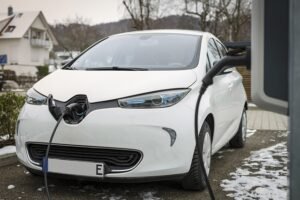
- Electric Cars: EVs require charging, which can take longer than filling a gas tank, even with fast chargers. While home charging is convenient for daily commuting, long trips may need careful planning. Public charging networks are growing but are not as ubiquitous as gas stations.
- Gasoline Cars: Filling a gasoline car is quick and convenient. Gas stations are everywhere, making long-distance travel hassle-free.
Winner: Gasoline cars for convenience in long trips; EVs are fine for daily driving if home charging is available.
5. Upfront Cost and Incentives
- Electric Cars: EVs typically have a higher upfront price, but government incentives, tax rebates, and subsidies can make them more affordable. Over time, reduced fuel and maintenance costs balance this initial expense.
- Gasoline Cars: Usually cheaper to buy upfront, but they lack the environmental benefits and lower running costs of EVs.
Winner: Depends on budget and eligibility for incentives — EVs can be cost-effective in the long term.
6. Range and Travel Flexibility
- Electric Cars: Modern EVs often provide 250–400 miles per charge, sufficient for daily driving. However, long road trips require planning for charging stations.
- Gasoline Cars: Gas cars generally offer a longer range per tank and can be refueled in minutes, providing more flexibility for spontaneous travel.
Winner: Gasoline cars for long-distance travel convenience.
Conclusion
Electric and gasoline cars both have pros and cons. Electric cars excel in environmental benefits, lower running costs, and smooth performance, while gasoline cars win in upfront cost, convenience, and long-distance flexibility. For city driving, commuting, and eco-conscious drivers, electric cars are becoming the smarter choice in 2026. For those who travel long distances frequently and value immediate refueling, gasoline cars may still be practical. Ultimately, the “better” option depends on your driving habits, priorities, and lifestyle. ⚡🚗 vs ⛽🚗